
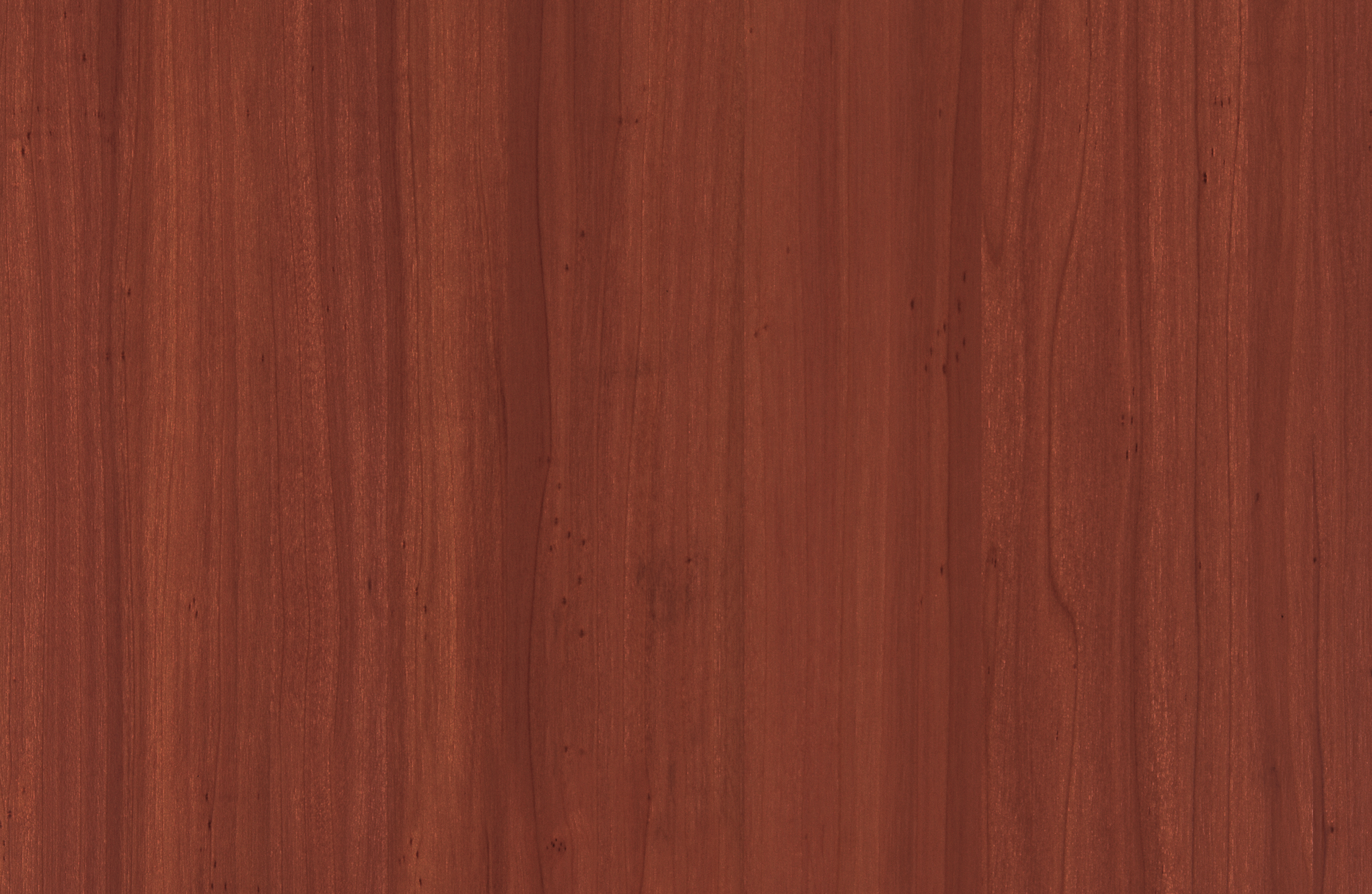
Consists of an aluminium base with a wood effect finish. Special inks are used which, when heated, adhere to the material and produce the same effect as wood grain.
Thanks to this process we achieve this finish on aluminium with all the advantages of durability, maintenance and protection offered by lacquering and without the disadvantages of wood. This technique is highly resistant and has greater durability than other materials..
Baking time / temperature Min: 24 to 150 °C / 75,2 to 302 °F - Max: 26 to 150 °C / 78,8 to 302 °F
Gloss at 60º angle Min: 6 - Max: 9 ISO 2813
Direct impact 12.5 mm 30 ISO 2813
Indirect impact 12.5 mm 30 ISO 2813
Cross-cut adhesion 0 ISO 2813
Erichsen Cupping test Min: 5 - Max: 11 ISO 2813
Bend test (Cylindrical Mandrel) 6 ISO 2813
Avg. Particle size Min: 50 - Max: 55
Particle size % < 100 MICRONS Min: 80 - Max: 95
Particle size % < 50 MICRONS Min: 50 - Max: 65
Particle size % < 10 MICRONS Min: 4 - Max: 8
Delta E colour Visual, CIELAB Method
General appearance Textured, NIZI-001 Method

Performance
Baking time / temperature Min: 24 to 150 °C / 75,2 to 302 °F - Max: 26 to 150 °C / 78,8 to 302 °F
Gloss at 60º angle Min: 6 - Max: 9 ISO 2813
Direct impact 12.5 mm 30 ISO 2813
Indirect impact 12.5 mm 30 ISO 2813
Cross-cut adhesion 0 ISO 2813
Erichsen Cupping test Min: 5 - Max: 11 ISO 2813
Bend test (Cylindrical Mandrel) 6 ISO 2813
Avg. Particle size Min: 50 - Max: 55
Particle size % < 100 MICRONS Min: 80 - Max: 95
Particle size % < 50 MICRONS Min: 50 - Max: 65
Particle size % < 10 MICRONS Min: 4 - Max: 8
Delta E colour Visual, CIELAB Method
General appearance Textured, NIZI-001 Method
Care
Preventative care
Protect surfaces with barrier elements like film, paper, and peelable lacquers before placement and handling.
Immediate cleaning
If accidental contamination or splashing of strong alkalis or acids occurs, wash the affected area with a large amount of clean water, especially cut-outs or holes and cavities.
Periodic maintenance
The accumulation of dirt or contamination on the profiles may increase the risk of corrosion, a loss of sheen, or a change of colour, especially in areas located near the coast and industrial environments.
1. Regularly clean the finish with lukewarm water and neutral PH; using a wetting agent or detergent.
2. Use a non-abrasive sponge or brush with non-abrasive fibres.
3. Rinse thoroughly with plenty of water immediately after cleaning. The above should be done in cool temperatures and preferably in the shade. After cleaning, the anodised aluminium can be treated with a good quality wax polish.
*However, more frequent cleaning is recommended if large stains appear.
Do not use
· Abrasive materials, tools or any object that may scratch.
· Concentrated acids, alkaline substances or any substance that may cause corrosion. Concentrated solvents including: thinners, petrol, diesel, turpentine or paraffin. Grit removers, pesticides, lubricants or substances of unknown composition.
· Detergents, oven cleaners or other harmful substances.
· Substances on surfaces that are hotter than 25°C.
· Over large areas, substances that have not been used satisfactorily in the past.
Do not allow debris, wetting agents to accumulate on the finish. Do not allow to remain + under soil, water or concrete.